

The Role of the Algerian Association for Human Relations and Solidarity in Implementing Solidarity Economy: A Focus on Social Innovation in Agriculture
- Client : BuildingX
- Status : In Progress
- Location : Mountain View CA 94043
- Building Area: Approx: 330,000 m2
The Algerian Association for Human Relations and Solidarity plays a pivotal role in promoting the concept of solidarity economy in Algeria. Through its initiatives, the association aims to foster sustainable development and improve the living conditions of various community segments, particularly women.
Social Innovation in Agriculture
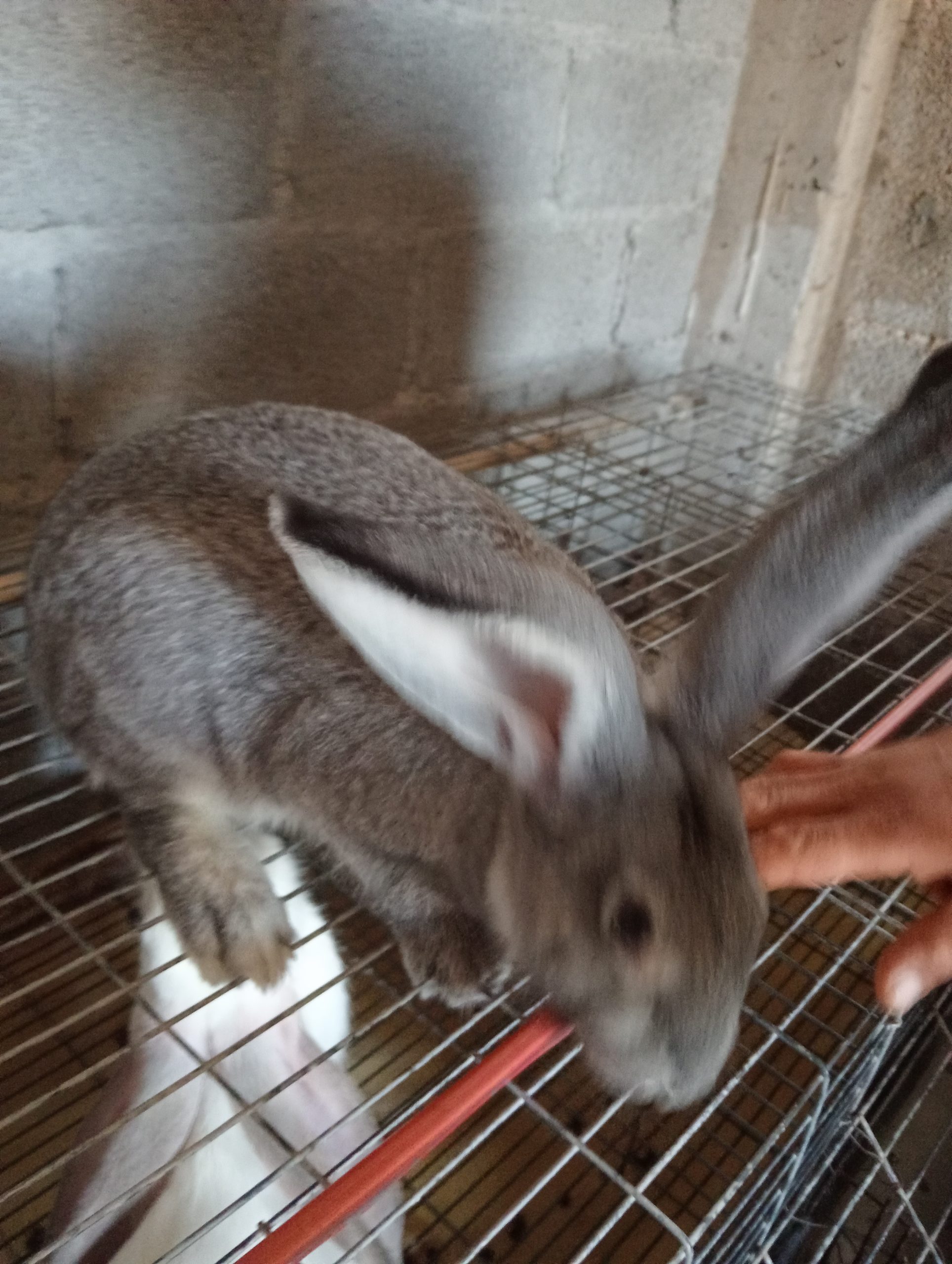
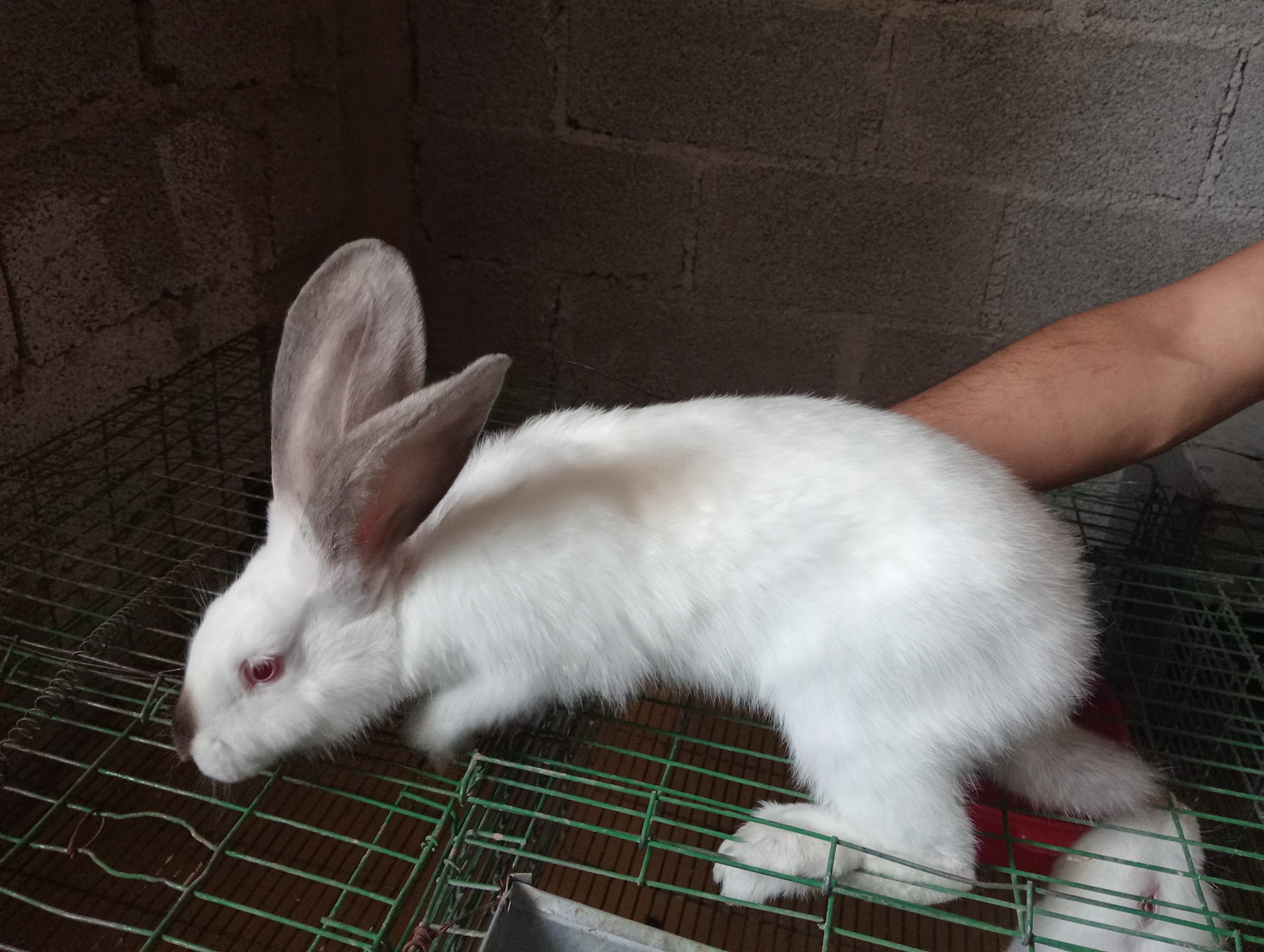
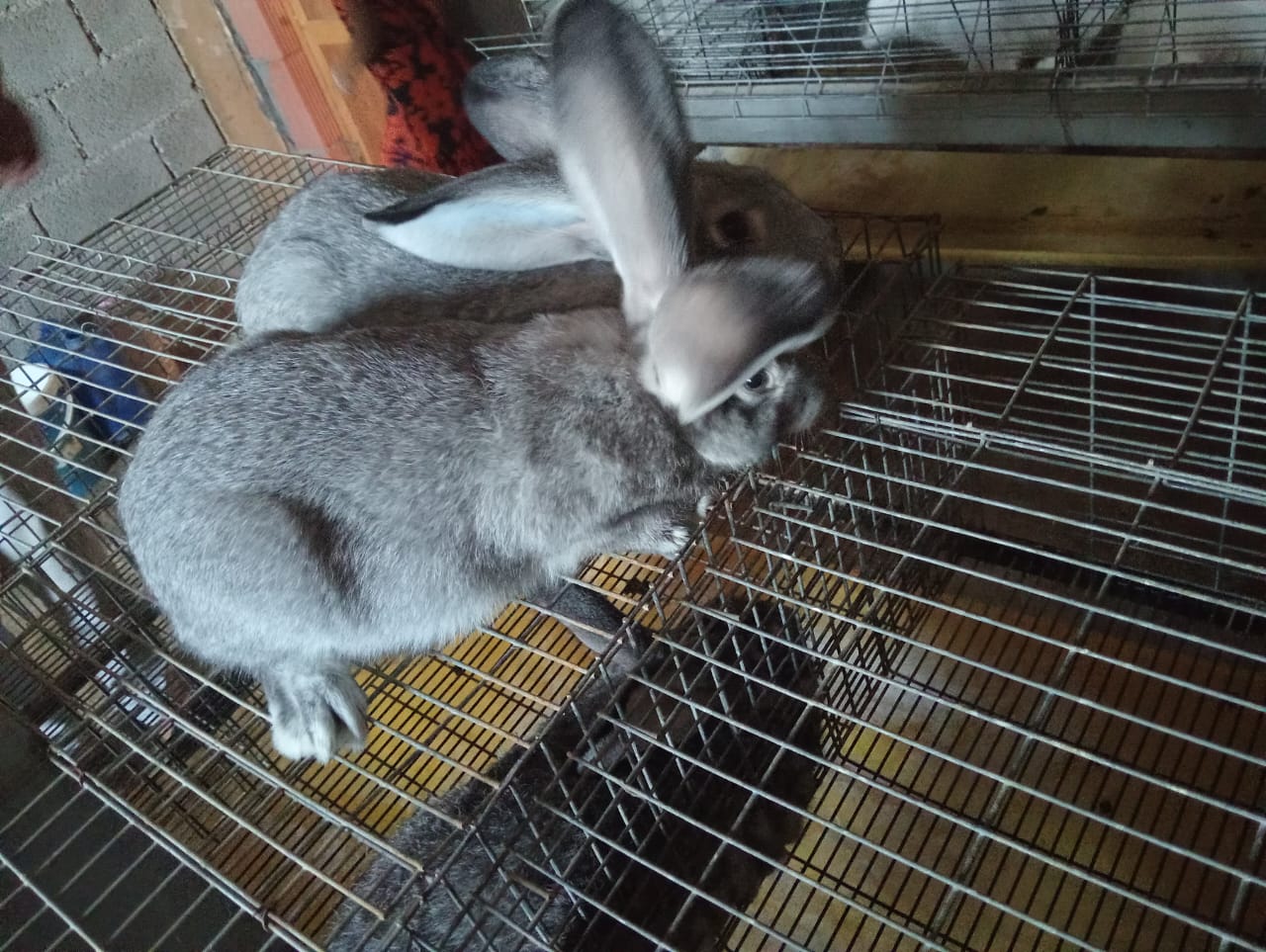
The significance of social innovation in agriculture is highlighted through the development of new production models that enhance income and create job opportunities. One such promising project is rabbit farming, which contributes to food security and provides an additional income source for families.
Integrating Women into Rabbit Farming
A standout initiative undertaken by the association involved integrating twenty women from the Batna region into rabbit farming. These women were selected based on their needs and aspirations for improving their living conditions. After receiving necessary training and technical support, they were provided with rabbits and resources for their care.
Achievements
Ten months after the project commenced, the women achieved tangible results, becoming some of the leading rabbit producers in Batna. This accomplishment not only improved their income but also enhanced women’s status in society and raised awareness about the importance of solidarity economy.
Training and Technical Support Provided to Women
Training Programs
- Foundational Courses on Rabbit Farming: Covering various rabbit breeds, care requirements, and health management.
- Farm Management: Learning about work organization, scheduling, and productivity improvement.
- Rabbit Nutrition: Information on suitable feed types and feeding schedules.
Practical Workshops
- Hands-On Experiences: Organizing field workshops to apply theoretical knowledge, such as constructing shelters and implementing health care practices.
- Expert Interaction: Inviting specialists in rabbit farming to provide direct, practical advice.
Technical Support
- Individual Consultations: Offering regular consultations with rabbit farming experts to help solve any challenges faced.
- Guidance Materials: Providing comprehensive manuals that cover aspects of care, feeding, and management.
- Resource Provision: Supplying necessary tools and materials for rabbit farming.
- Financial Support: Offering initial funding to cover start-up costs.
Support Networks
- Support Groups: Forming groups of participating women to share experiences and knowledge, fostering a spirit of collaboration.
Selection Criteria for Participants
Specific criteria are employed to select participants for training programs, ensuring maximum benefit from the initiative:
- Interest and Motivation: Candidates should have a strong desire to learn about rabbit farming.
- Social and Economic Need: Preference is given to women from low-income households facing economic challenges.
- Commitment Capability: Participants must be able to commit to attending training sessions.
- Time Availability: Ensuring women have sufficient time to participate in training and implement what they learn.
- Previous Experience: While not mandatory, prior experience in agriculture or animal husbandry is considered an advantage.
- Community Impact: Identifying women who can positively influence their communities post-training.
- Geographic Location: Selecting women from areas close to the project site to facilitate resource access.
Tools for Evaluating Selection Criteria
A range of tools is utilized to assess these criteria effectively:
- Surveys: Collecting information about participants’ backgrounds, motivations, and economic needs.
- Personal Interviews: Conducting interviews to gain deeper insights into candidates’ motivations and commitment levels.
- Case Reports: Compiling reports on each participant’s social and economic situation.
- Practical Assessments: Implementing simple practical tests to gauge prior experience.
- Community Feedback: Gathering community opinions on candidates to assess their potential impact.
- Data Analysis: Using software like Excel or SPSS to analyze survey and interview data objectively.
- Advisory Committee Meetings: Forming a committee of experts to review information and make selections based on established criteria.
Conclusion
The project led by the Algerian Association for Human Relations and Solidarity exemplifies the effectiveness of solidarity economy by empowering women and enhancing their living conditions. The success of the rabbit farming initiative in Batna serves as a model that can be replicated in other regions of Algeria, contributing to sustainable development and elevating women’s roles in society